

Introduction:
You’ve heard the phrase in a hymn, maybe during a service, or read it somewhere and wanted to track down the source. Searching “holy holy holy bible verse” leads to exactly two places in Scripture not a poetic flourish invented for worship music, but two scenes centuries apart where heavenly beings say the same words about God.
This page lays out both verses in the King James Version, explains why “holy” gets repeated three times instead of once or twice, and compares what changes between the Old Testament version and the New Testament one. Isaiah 6:3 and Revelation 4:8 are the two places this phrase actually appears.
At a Glance: Holy, Holy, Holy” is one of the Bible’s most recognized declarations about God’s holiness, appearing in two key passages: Isaiah 6:3 and Revelation 4:8. This KJV-focused guide explains where the phrase comes from, who speaks it, and why “holy” is repeated three times.
In Isaiah’s vision, seraphim surrounding God’s throne declare, “Holy, holy, holy is the LORD of hosts,” followed by the statement that the whole earth is full of His glory. In Revelation, four heavenly creatures repeat the declaration and describe God as the One “which was, and is, and is to come.”
The article compares these two passages, including their speakers, wording, and surrounding details. It also examines the traditional interpretation of the threefold repetition as an expression of intense holiness and discusses whether it refers to the Trinity. The guide also explains how these biblical verses influenced Christian worship and the hymn “Holy, Holy, Holy! Lord God Almighty.
Where Does “Holy, Holy, Holy” Come From in the Bible?
The phrase appears twice in Scripture: once in Isaiah’s vision of God’s throne, and once in John’s vision in Revelation. Different speakers, different centuries, same three words.
Isaiah’s Vision — “Holy, Holy, Holy Is the LORD of Hosts” (Isaiah 6:3)
Isaiah sees God on a throne, and winged creatures called seraphim surrounding it, calling back and forth to each other.
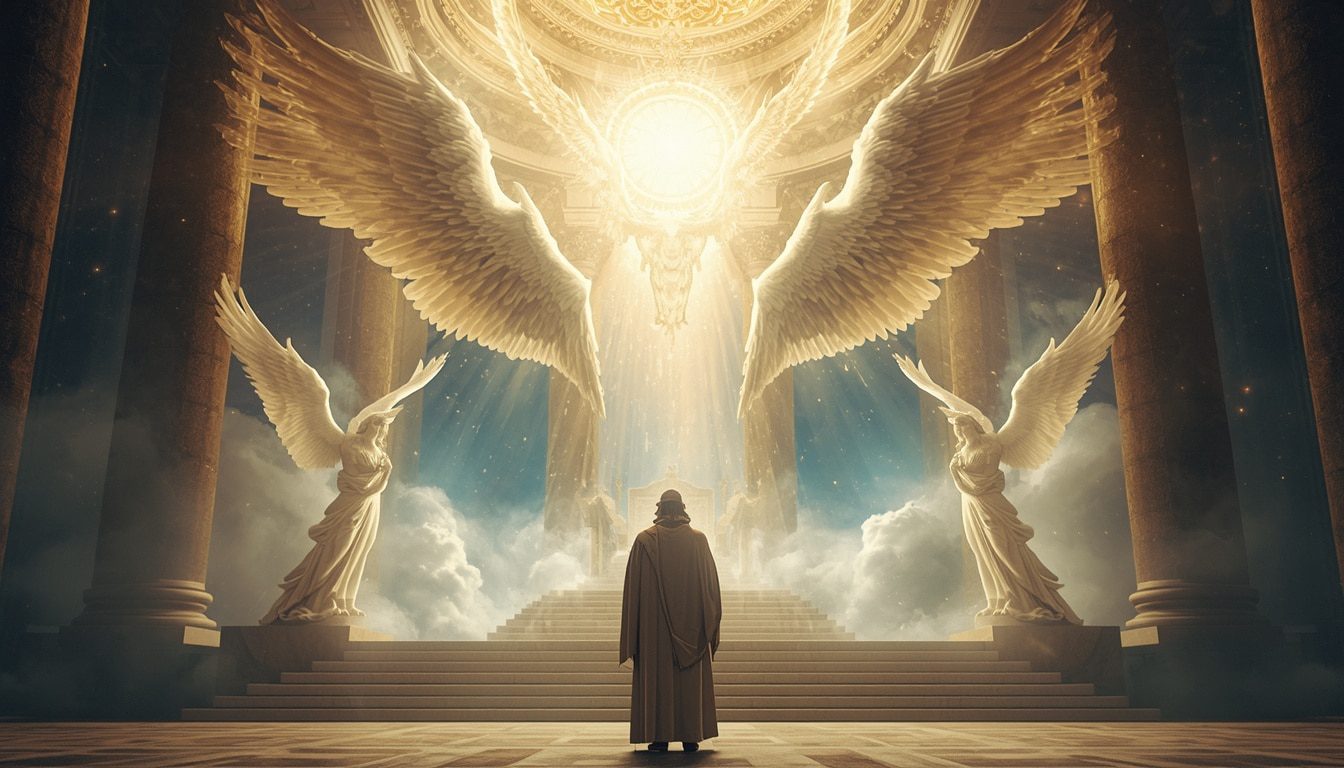
“And one cried unto another, and said, Holy, holy, holy, is the LORD of hosts: the whole earth is full of his glory.” — Isaiah 6:3
The seraphim aren’t addressing Isaiah here. They’re speaking to each other, back and forth, as if confirming something between themselves before Isaiah even enters the conversation. This passage also provides a useful starting point for deeper Bible study, especially when examining the meaning and context of prophetic visions.
The Throne Room of Revelation — “Holy, Holy, Holy, Lord God Almighty” (Revelation 4:8)
Centuries later, John sees a similar scene. Four winged creatures surround God’s throne in heaven, and they say almost the identical thing.
“And the four beasts had each of them six wings about him; and they were full of eyes within: and they rest not day and night, saying, Holy, holy, holy, Lord God Almighty, which was, and is, and is to come.” — Revelation 4:8
The KJV calls these beings “beasts” — a translation choice that sounds strange in modern English, where the word usually means something wild or monstrous. Other translations render the same Greek word as “living creatures,” which captures the sense better for a contemporary reader.
Whatever they’re called, their declaration adds something Isaiah’s seraphim didn’t say: God described across time itself, “which was, and is, and is to come.”
Why Is “Holy” Repeated Three Times?
Neither Isaiah nor Revelation explains the repetition directly. What we can say comes from how Hebrew generally handles emphasis, and from how Christians have historically read the pattern.
Repetition as Intensity in Hebrew Scripture
Hebrew doesn’t have a rich set of superlative adjectives the way English does — no separate word for “extremely holy” or “infinitely holy.” Instead, writers intensify a word by repeating it. “Holy” said once makes a statement. Said twice, it makes a stronger one. Said three times, several commentators note, it’s the highest degree the language has a way of expressing — and no other single word in Scripture gets this exact treatment, repeated three times in a row, in either of these two passages.
Is This a Reference to the Trinity?
Some readers connect the threefold “holy” to the three persons of the Trinity — Father, Son, and Holy Spirit. This reading goes back centuries; John Calvin himself wrote that “the angels here describe One God in Three Persons.”
Neither Isaiah 6:3 nor Revelation 4:8 states this connection explicitly. The seraphim and the four beasts declare God’s holiness three times; they never name Father, Son, and Holy Spirit.
The Trinitarian reading came later, laid over the text by Christian readers across the centuries who found the pattern meaningful. Many still do. Read the verses themselves, though, and that’s a layer added on top — the text’s own claim stops at holiness, repeated.
What’s the Difference Between Isaiah 6:3 and Revelation 4:8?
The two verses share the exact three-word declaration, but the surrounding details aren’t identical.
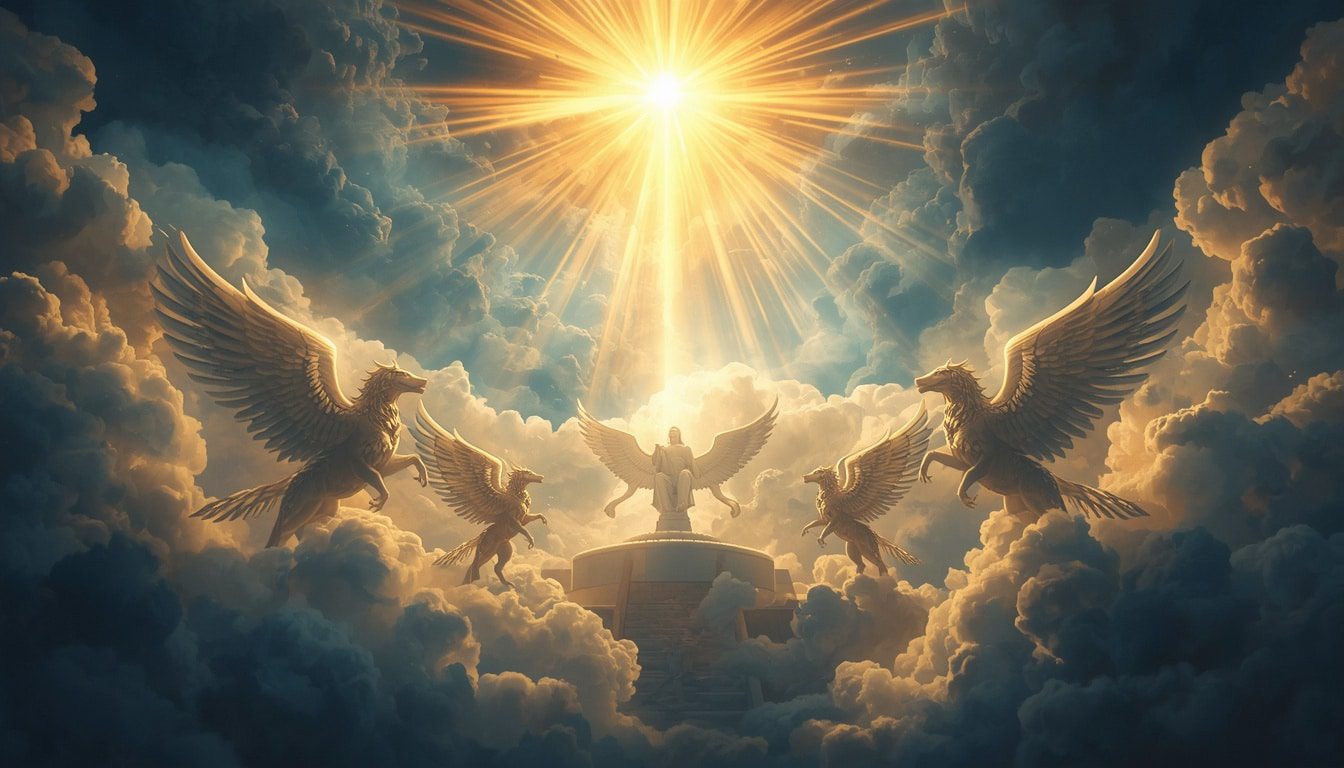
Who Is Speaking — Seraphim vs. the Four Beasts
In Isaiah, the speakers are seraphim, winged beings Isaiah describes earlier in the chapter as having six wings each, two covering their faces, two covering their feet, two for flying. In Revelation, the speakers are four beasts (the KJV’s wording; other translations say “living creatures”), also six-winged, described as “full of eyes within.”
Both sets of beings surround God’s throne directly, and both use the identical phrase — but they aren’t described as the same creatures, and they appear in visions separated by roughly seven centuries.
What Changes Between the Old and New Testament Versions
| Isaiah 6:3 | Revelation 4:8 | |
| Speakers | Seraphim | Four beasts |
| Addressed to | Said to one another | Said continuously, day and night |
| Core phrase | “Holy, holy, holy is the LORD of hosts” | “Holy, holy, holy, Lord God Almighty” |
| Added detail | “the whole earth is full of his glory” | “which was, and is, and is to come” |
Revelation’s version adds a timeline Isaiah’s doesn’t include. “Which was, and is, and is to come” places God’s holiness across past, present, and future in a single phrase — a detail that fits Revelation’s broader focus on what’s coming, whereas Isaiah’s vision stays fixed on the present moment and the earth already full of God’s glory.
How This Verse Is Used in Worship
The connection between Scripture, worship, and prayer can also be seen throughout the prayers in the Bible, where people respond to God’s character and works.
Its opening line borrows directly from Isaiah and Revelation. The hymn remains one of the most recognized in English-speaking churches, which is likely why so many readers hear the phrase sung before they ever track down where it comes from in Scripture.
Frequently Asked Questions
Q: What does it mean that God is holy, holy, holy?
The threefold repetition is Scripture’s way of declaring God’s holiness at the highest possible degree — Hebrew intensifies a word through repetition rather than through separate superlative words, and “holy” appears three times in a row nowhere else in either passage’s surrounding text.
Q: Why is “holy” repeated three times in the Bible?
Neither Isaiah 6:3 nor Revelation 4:8 explains the repetition directly. The most consistent explanation, based on how Hebrew generally works, is intensification—stating something once, twice, or three times in a row signals an increasing degree.
Q: What is the difference between Isaiah 6:3 and Revelation 4:8?
Isaiah’s declaration that “the whole earth is full of his glory” also connects with Scripture’s wider description of God’s presence in creation. See our collection of Bible verses about nature.
Q: Who says “holy, holy, holy” in the Bible?
In Isaiah 6:3, the seraphim surrounding God’s throne say it to each other. In Revelation 4:8, four beasts around the heavenly throne say it without ceasing, day and night.
Q: Is “holy, holy, holy” a reference to the Trinity?
Not explicitly. Some Christian traditions, including commentators going back to John Calvin, have read Trinitarian significance into the threefold repetition. Both verses themselves stop at declaring God’s holiness three times, with no mention of Father, Son, or Holy Spirit by name.
Related Resources
The holiness declared in these two visions sits alongside everything else Scripture says about who God is. For the wider collection this page belongs to, see the Bible Verses hub.


